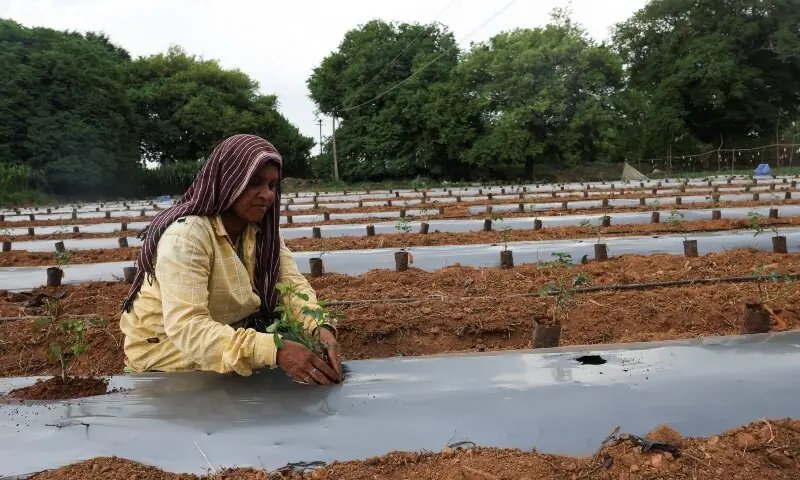
An Indian state health authority is investigating how liquid discharged from Apple supplier Tata’s iPhone components factory has affected farmers, some of whom complained about skin issues from contamination in their farmlands, according to three officials and a document reviewed by Reuters.

The health investigation opens a new front in an environmental dispute that has become a test case for India’s push to become a major manufacturing hub for Apple iPhones.
The Tata Electronics plant in Hosur in southern Tamil Nadu state was sent a warning notice by the state pollution control board on May 25 for allegedly contaminating groundwater in adjacent farms.
Tata said in a statement this week that the pollution board had dropped its scrutiny after confirming its analysis of recently collected water samples from inside the facility did “not indicate any contamination”.
The pollution board and the state have not commented on the matter and did not respond to Reuters emails and phone calls requesting comment. Apple has also not commented on the situation and did not respond to Reuters’ requests.
According to government sources and a letter, health officials in the district have been running their own investigation since at least late May after farmer complaints about the plant, which opened in 2021 and makes iPhone back covers and some other parts.
A health inspection found discharge from the Tata plant had caused a “severe foul smell” and left water “unsuitable for animals to drink”, according to a May 27 letter sent by Anish Parvin, a government medical officer in the Ullugurukkai village, where the plant is located, to the state-run Institute of Vector Control and Zoonoses in Hosur.
A farmer washes his hands in his open well, near the Tata Electronics’ components factory for Apple’s iPhone in Hosur, Tamil Nadu, India on June 15, 2026. — Reuters
“Wastewater released from Tata Electronics… has accumulated in nearby agricultural lands and is contaminating the clean water present in wells nearby,” read the letter, which is not public but was reviewed by Reuters.
“It has also been reported that people are experiencing skin-related health issues due to this contamination.”
Parvin told Reuters she received complaints from farmers about health issues, although no cases had yet been clinically established.
Two water samples from the farms have been submitted by health officials to a state government laboratory for testing, a government source said.
Both samples tested positive for E. coli, bacterium found in sewage that indicates faecal contamination of the water supply, according to a report from the district public health laboratory dated May 30, obtained by Reuters.
The probe by state health officials, which Reuters is reporting for the first time, remains ongoing with a second set of results from tests still awaited, said Rajesh Kumar C, a senior government official who oversees public health in the region.