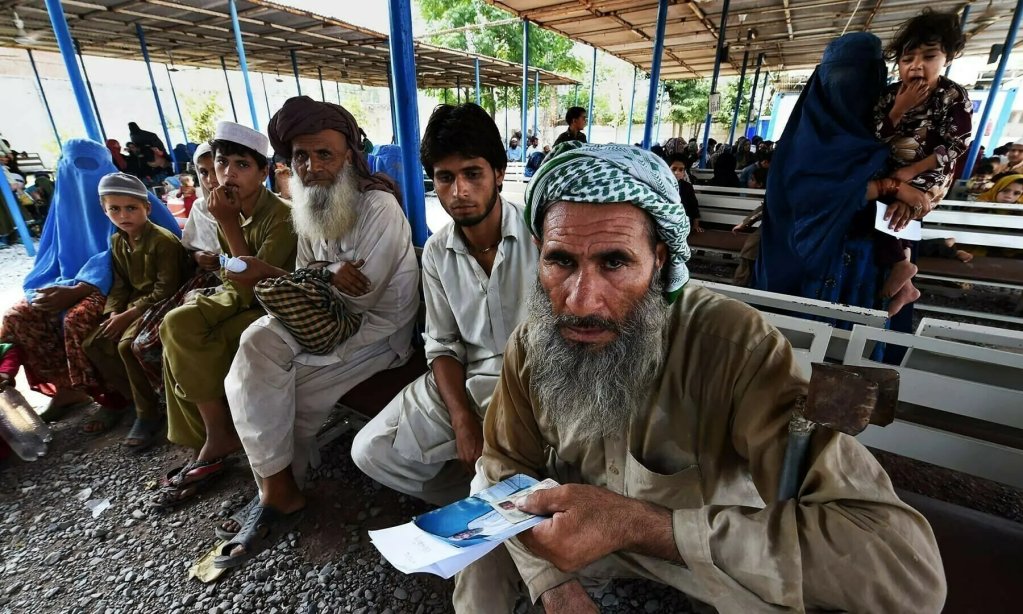
ISLAMABAD: Findings of UNHCR’s “Afghanistan post-return monitoring survey report” released on Tuesday highlighted different challenges for Afghan returnees from Iran versus Pakistan: those from Iran often have more education, better food security, and housing, while returnees from Pakistan face severe economic hardship, relying more on daily wages, and carrying heavier debt burdens.

The returnees from Iran were less likely to have income-generating employment, and more often reported barriers to girls’ education. Those returning from Pakistan after April found more casual income opportunities but struggled to afford rent and maintain sufficient food.
According to the survey, across all groups, returnees continue to settle in areas with fragile conditions marked by deepening poverty and limited access to essential services. Many cannot return to their areas of origin due to lack of shelter, land, or livelihoods. Over half of households surveyed reported missing essential civil documentation, restricting access to education, healthcare, and housing.
Education remains sharply constrained for all women and girls in Afghanistan: returnees from Iran most often cited policies and laws as the key barrier, while returnees from Pakistan pointed to economic obstacles. Access to healthcare is limited by cost, distance, and medicine short ages, with women disproportionately affected due to movement restrictions, survey results show.